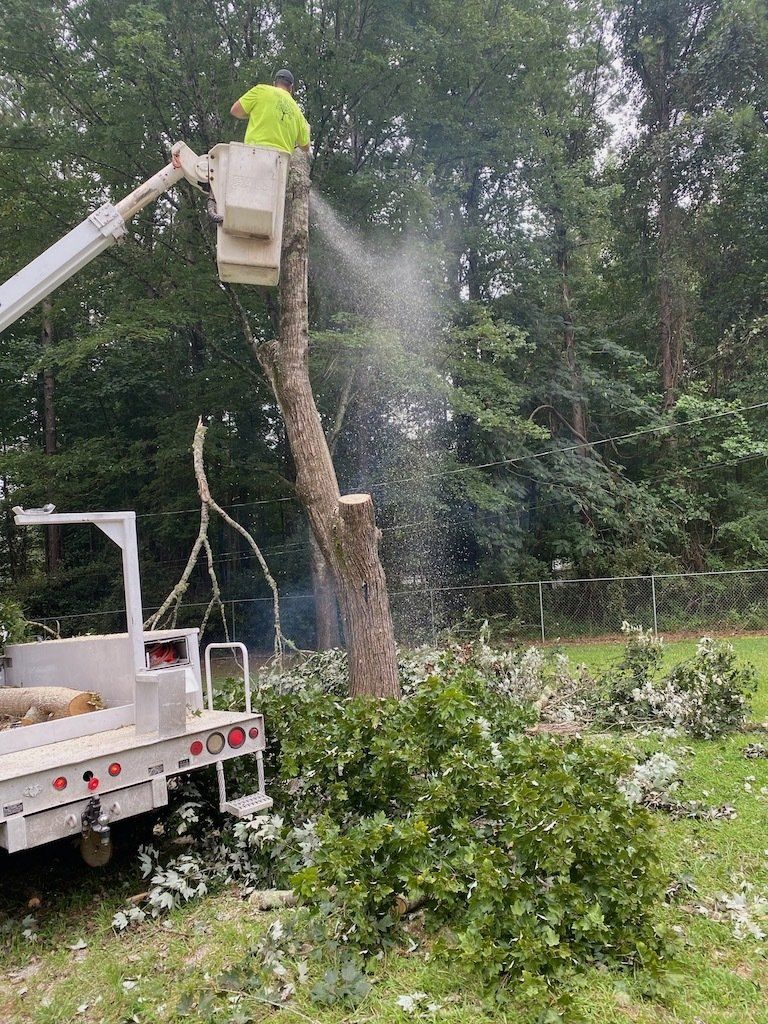
Cold snaps and unexpected frosts are a real concern for homeowners across West Atlanta and surrounding Georgia communities. While our region enjoys relatively mild winters, sudden drops in temperature can still cause significant damage to certain tree species. Understanding which trees are most vulnerable to frost damage can help you take preventive action and protect your landscape investment.
At West Atlanta Tree Service, we regularly assist homeowners with frost-related tree issues, from minor dieback to severe structural damage. Below, we break down the trees most at risk and explain how to reduce winter stress before it becomes a costly problem.
Why Frost Damage Is a Serious Concern for Trees
Frost damage occurs when temperatures drop low enough to freeze moisture inside tree cells. When this happens, cell walls can rupture, leading to:
- Leaf browning or blackening
- Cracked bark and split limbs
- Dieback of branches
- Stunted growth in spring
- Increased vulnerability to pests and disease
Trees that are not adapted to cold conditions—or that are actively growing when frost occurs—are especially susceptible.
Trees Most Vulnerable to Frost Damage
1. Tropical and Subtropical Trees
Tropical species are among the most frost-sensitive trees, as they are not genetically adapted to cold weather.
Common vulnerable trees in West Atlanta include:
- Palm trees
- Banana trees
- Papaya trees
- Hibiscus trees
Even a brief frost can cause leaf loss, trunk damage, or complete dieback. Repeated frost exposure may permanently weaken these trees.
2. Newly Planted or Young Trees
Young trees haven’t yet developed the thick bark and strong root systems needed to withstand temperature extremes.
Why young trees are at risk:
- Shallow roots freeze more easily
- Thin bark offers little insulation
- Growth is still active late into the season
Newly planted ornamental and shade trees should always receive extra protection during cold weather.
3. Fruit Trees That Break Dormancy Early
Certain fruit trees begin budding early in the season, making them vulnerable if frost returns.
High-risk fruit trees include:
- Peach trees
- Plum trees
- Apricot trees
- Fig trees
A late frost can kill buds and blossoms, drastically reducing fruit production and weakening the tree overall.
4. Evergreen Trees and Shrubs
While evergreens keep their foliage year-round, this constant exposure makes them susceptible to frost dehydration and cold injury.
Common evergreen trees affected by frost:
- Leyland cypress
- Southern magnolia
- Boxwood
- Holly
Frost damage in evergreens often appears as browning needles, leaf scorch, or brittle branches.
5. Thin-Barked Trees
Trees with thin bark lack insulation against sudden temperature changes, making them more prone to frost cracking.
Examples include:
- Japanese maple
- Red maple (young specimens)
- Birch trees
- Aspen trees
Frost cracks can open pathways for insects, fungi, and decay—issues that often require professional tree care.
Signs Your Tree Has Frost Damage
Identifying frost damage early allows for faster recovery. Watch for:
- Wilted or curled leaves after cold nights
- Blackened buds or flowers
- Splitting or peeling bark
- Dead branch tips
- Delayed leaf-out in spring
If damage is widespread, a professional inspection is recommended.
How to Protect Trees from Frost Damage
Mulching
Apply a 2–4 inch layer of mulch around the base of trees to insulate roots and regulate soil temperature.
Proper Watering
Well-hydrated trees are better equipped to tolerate freezing temperatures.
Tree Wrapping
Young and thin-barked trees benefit from burlap or tree wraps during frost-prone months.
Strategic Pruning
Avoid late-season pruning, which encourages new growth that is vulnerable to cold damage.
Professional Tree Care
A certified arborist can recommend species-specific protection methods and long-term care strategies.
When to Call West Atlanta Tree Service
If frost damage is already visible—or if you’re unsure how to protect your trees—professional help can prevent long-term decline.
West Atlanta Tree Service offers:
- Frost damage assessments
- Corrective pruning
- Tree health evaluations
- Preventive care plans
- Emergency tree services after severe cold events
Our local expertise ensures your trees receive care tailored to Georgia’s unpredictable winter weather.
Final Thoughts
Not all trees are built to withstand frost, especially in climates like West Atlanta where temperature swings can be sudden. Tropical species, young trees, early-blooming fruit trees, evergreens, and thin-barked varieties are particularly vulnerable to cold damage.
By understanding which trees are most at risk and taking proactive steps, you can protect your landscape and avoid costly tree removal or replacement.
Concerned about frost damage or winter tree care?
Contact West Atlanta Tree Service today for expert guidance and professional tree protection solutions designed for your local climate.
Tree Service, Tree Removal, Tree Trimming, Stump Removal
Bowdon, Bremen, Buchanan, Carrollton, Cedartown, Dallas, Douglasville, Franklin, Hiram, Lithia Springs, Mt. Zion, Newnan, Palmetto, Rockmart, Roopville, Tallapoosa, Temple, Villa Rica, and Whitesburg Georgia and Abernathy, Fruithurst, Heflin, Macedonia, Muscadine, and Ranburne Alabama.
West Atlanta Tree Service
Carrollton, Ga 30116
770-830-3828
Source : https://www.westatltree.com/which-trees-are-most-vulnerable-to-frost-damage
Comments
Post a Comment